
 Yazar


Frank Castle, one of the harshest and most uncompromising characters of the Marvel Cinematic Universe (MCU), has taken his place on Disney+ screens with the special presentation The Punisher: One Last Kill. When Jon Bernthal‘s intense, physical performance — now synonymous with the character — combines with Reinaldo Marcus Green‘s dynamic direction, the result is a 51-minute, bloody and claustrophobic action feast. The story centers on the existential void Frank falls into after completing his revenge mission and his relentless war with the ghosts of the past, taking the viewer on a savage journey far beyond the MCU’s usual tone.
The Ghosts of the Past and an Existential Collapse
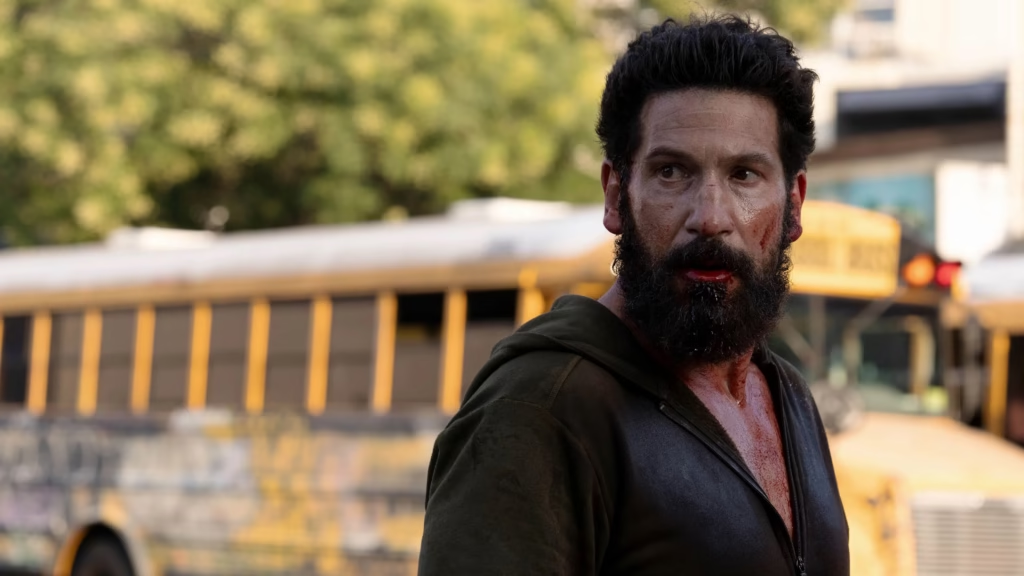
The first half of the special presentation unfolds in the atmosphere of a psychological drama rather than familiar superhero action. We find Frank Castle on the brink of a complete collapse, left alone with the question “What now?” after destroying the Gnucci crime family. The training sequences we watch accompanied by Danzig‘s song Mother actually symbolize Frank’s effort to suppress his spiritual pain. Him taking down that famous criminal tracking board in his home and the punch he throws at his reflection in the mirror are the most concrete indicators of how aimless and adrift a man whose revenge has been taken truly is.
In this section, Frank is a figure who communicates with the dead rather than the living. The hallucinations of his old friends and the family he lost bring him to the point of severing his bond with reality. Especially in the cemetery scene, confronting his daughter with the gun he holds to his own temple proves how deeply Bernthal has internalized the depth of the character. Here Frank is far beyond being a “punisher” — he’s a tragic anti-hero trapped within his own grieving process. This heavy and dark opening is quite successful at making the viewer feel the turmoil in the character’s inner world.
On the other hand, Frank’s melancholic state contrasts with the decay of the neighborhood he lives in. The indifference he shows toward the bullies on the streets, the suffering homeless and the helpless shop owners is telling of how far he has drifted from his sense of “duty.” But this stillness resembles the calm before the storm. Frank actually knows there’s still an unextinguished fire within him, and that this fire can only be expressed through even greater violence. At this point, the MCU leaning into this kind of psychological depth — especially in such a dark tone — carries critical importance for the character’s future positioning.
Bernthal‘s performance carries practically a Wolverine energy in these psychological scenes; a constant tension, physical restlessness and an anger ready to explode prevail. The veins on the actor’s forehead and his constantly fidgeting frame are like a physical representation of Frank not being able to fit inside his own skin. Although in some moments this intensity risks turning into its own parody, when we consider the dimensions of the trauma the character has experienced, this “excess” actually becomes part of the narrative. The Punisher: One Last Kill, before moving to violence, reminds the viewer why Frank is so dangerous, through the magnitude of his pain.
The Presentation of Violence with Hints of The Raid and John Wick
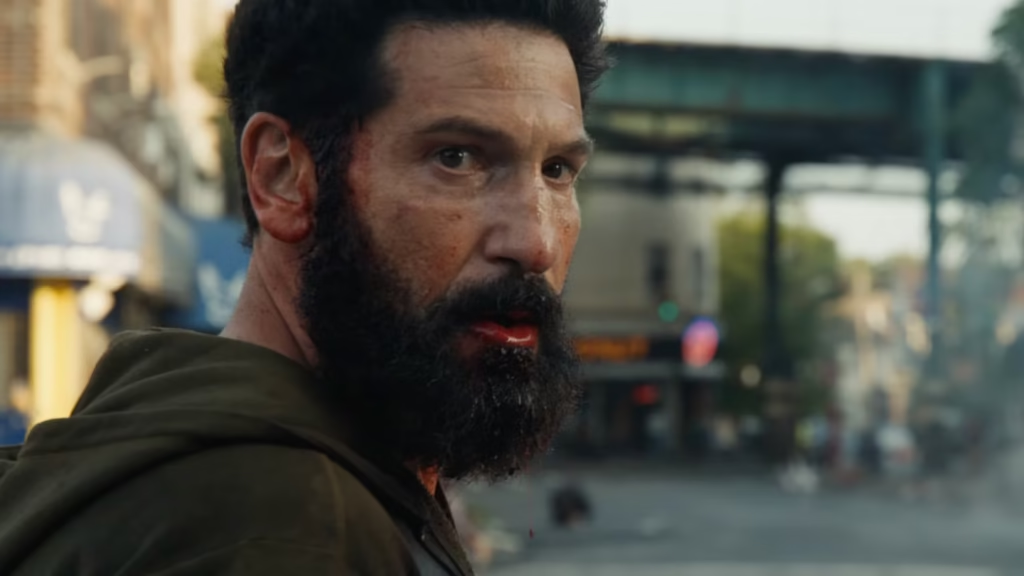
The film’s second half evolves with a sharp turn from psychological drama into a pure action feast. While the bounty Ma Gnucci places on Frank’s head sends all the criminals in Little Sicily after him, director Green carries the choreography we know from The Raid and John Wick into the MCU universe in these scenes. The clashes set in claustrophobic apartments, the creative choreography created in confined space, and Frank turning every kind of object he finds (including a ballpoint pen) into a weapon are quite successful at taking the action’s tempo to its peak. This massacre, which begins accompanied by Louis Armstrong‘s peaceful melodies, then turns into an outright slaughter with the harsh rhythms of Hatebreed.
The most striking element in the action scenes is that the dosage of violence is far above Disney+ standards. The sounds of bones, the knife blows and the close-combat sequences fully reflect Frank Castle’s merciless nature. Although the fast editing, some poor effects and repetitive choreography used in these scenes at times fall behind the genre’s classic examples, it’s undeniable that they offer the “dirtiest” and most realistic fights within the MCU. Frank not merely killing his enemies but collecting their ammunition, and a pragmatism reminiscent of a video-game mechanic, is a touch faithful to the character’s military past and survival instinct.
Judith Light, in the role of Ma Gnucci, delivers an antagonist performance that towers on screen. The threatening stance she radiates despite being confined to a wheelchair strengthens the “two sides of the same coin” theme between her and Frank. Both are figures who have lost their families and burn with the fire of revenge; but that fine line between Frank’s justice and Ma Gnucci’s hatred forms the basis of this spiral of violence. Still, giving the Ma Gnucci character more room in the flow of the story and feeding her contrast with Frank through more scenes could have further increased the action’s emotional weight.
The brevity of these action sequences (roughly 45 minutes of total runtime) is one of the film’s biggest advantages. Unlike the long sections in the Netflix series where Frank hides in safe houses, there’s no room here for unnecessary scenes that slow the pace. This structure makes the Punisher a more effective and striking figure, while also proving how well the character can work in a “special presentation” format. The viewer is dragged from one scene to the next without finding time to breathe in Frank’s violent world.
Its Place Within the MCU and Connection to Future Projects
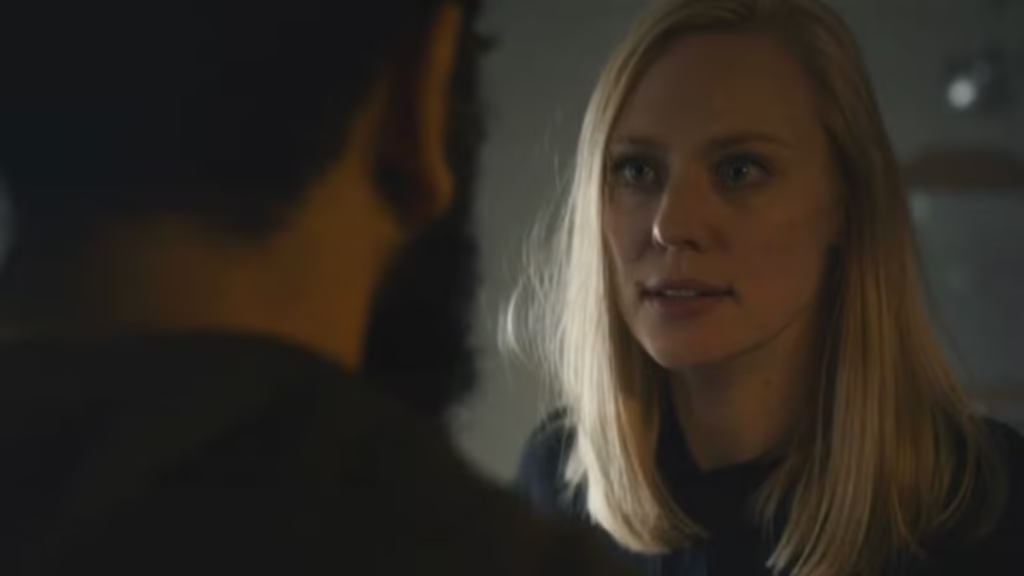
The Punisher: One Last Kill, in terms of timeline, stands at a strategic point between Daredevil: Born Again and the film Spider-Man: Brand New Day. This episode carries the quality of a confession that reminds us what Frank can do on his own, after his supporting role in the first season of Daredevil: Born Again. With this special presentation, Marvel tells fans: “Before we put Frank into the PG-13 world, we’re showing you his most savage form.” Although this strengthens the possibility of the character appearing in a more softened version in Spider-Man: Brand New Day, The Punisher: One Last Kill works like a seal certifying the savagery at his core.
The story being disconnected from the major events in the rest of New York (like Wilson Fisk’s rise) is both an advantage and a disadvantage. On one hand, it offers a pure Punisher story that can be watched without needing any side information; on the other hand, never touching on the Anti-Vigilante Task Force (AVTF) — Frank’s “unfinished business” left at the end of Daredevil: Born Again — creates a gap in the narrative. While the viewer wants to see Frank in the war with Fisk, his being confined to a small-scale gangster war in his own neighborhood can feel like it rewinds the character’s development a bit.
This special presentation once again proves how flexible Marvel’s “Special Presentation” format (as we saw earlier in Werewolf by Night) can be. This format is a perfect tool for telling darker, experimental stories that don’t fit the mainstream MCU tone and address a specific age group. The Punisher: One Last Kill, alongside the action, manages to set itself apart from Marvel’s standard factory work with its visual language too. Keeping Frank Castle in this format is perhaps the best way for the character to preserve that beloved “lone wolf” image.
The entire episode is actually trying to prove that Frank still has a place in his post-revenge world. Whether a neighborhood guardian or an “angel of vengeance”; Frank Castle’s methods are always controversial, but his determination is unshakable. This special presentation, while preparing the character for future multi-hero projects, once again solidifies his cornerstones (PTSD, longing for family and unstoppable violence). Frank Castle’s journey in the MCU isn’t over yet; but after this presentation, how he will fit (or clash) with characters like Peter Parker is a matter of curiosity.
Character Treatment and Comic-Book Fidelity
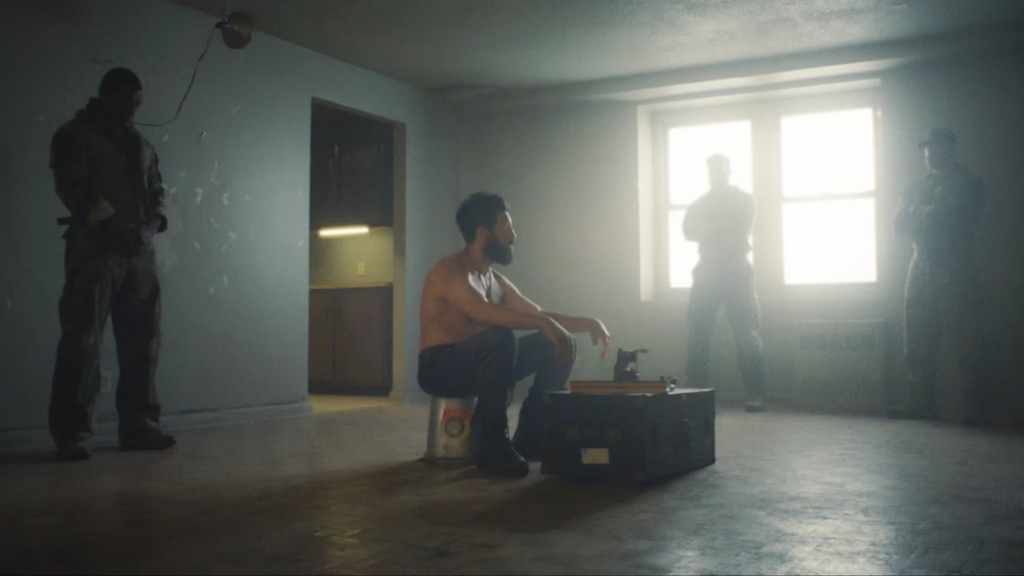
Bernthal‘s interpretation of Frank Castle departs in some respects from the classic Garth Ennis era of the comics. While the Frank of the comics is generally a cold, mechanical execution machine stripped of his emotions, Bernthal‘s Frank has a more human, fragile profile open to emotional outbursts. Although The Punisher: One Last Kill is based especially on the Gnucci story from Garth Ennis‘s legendary Welcome Back, Frank series, in tone it bears similarities to Rick Remender‘s darker and more introverted periods. While in the comics Frank prepares a more “cold-blooded” ending by throwing Ma Gnucci off a building, the agitated, drug-dependent state Bernthal displays in the film forms a clear contrast with that unshakable, emotion-stripped and harsh image of the original source material.
The “father” figure lying at the heart of the film is Frank’s strongest motivation. Addie Bernthal — Jon Bernthal‘s daughter in real life as well — appearing in the dream scenes increases the chemistry and emotional weight between them. Frank’s desire to cleanse all the evil in the world is actually fed by a wish to create a world where innocents like his daughter aren’t harmed. This “girl dad” theme is the sole element that allows the viewer to empathize with him even in his most savage moments. But the very frequent use of this theme does, here and there, evoke a sense that the story stalls and repeats itself.
Jason R. Moore returning as Curtis Hoyle in the supporting cast is valuable in representing Frank’s last bond with humanity. While Curtis tries to be the voice of Frank’s conscience, he also reminds the viewer how close to the edge of the abyss Frank is. Andre Royo joining the cast as the character Dre adds neighborhood warmth and a civilian point of view to the story. Royo‘s performance is short but effective in showing how defenseless the world Frank protects is. Still, most of the characters being left in Frank’s shadow and not sufficiently developed is one of the episode’s weak links.
In short, The Punisher: One Last Kill is a short but intense production that offers the character’s fans the savagery and emotional depth they expect. Choosing to deepen the waters it knows rather than tell an innovative story, the film stays afloat on Jon Bernthal‘s charisma. The dosage of violence, the speed of the action and the character’s inner conflicts are blended in a balanced way. If what you’re looking for is a bloody and sorrowful action piece in which Frank Castle demolishes everything in his path, this special presentation is just for you. But for those expecting a radical change from the character, The Punisher: One Last Kill is more of a stylish summary of a story we know well.
To read more articles by Ferit Doğan, click here.
For more, follow us on YouTube, X and Instagram.




Yorumlar