
 Yazar


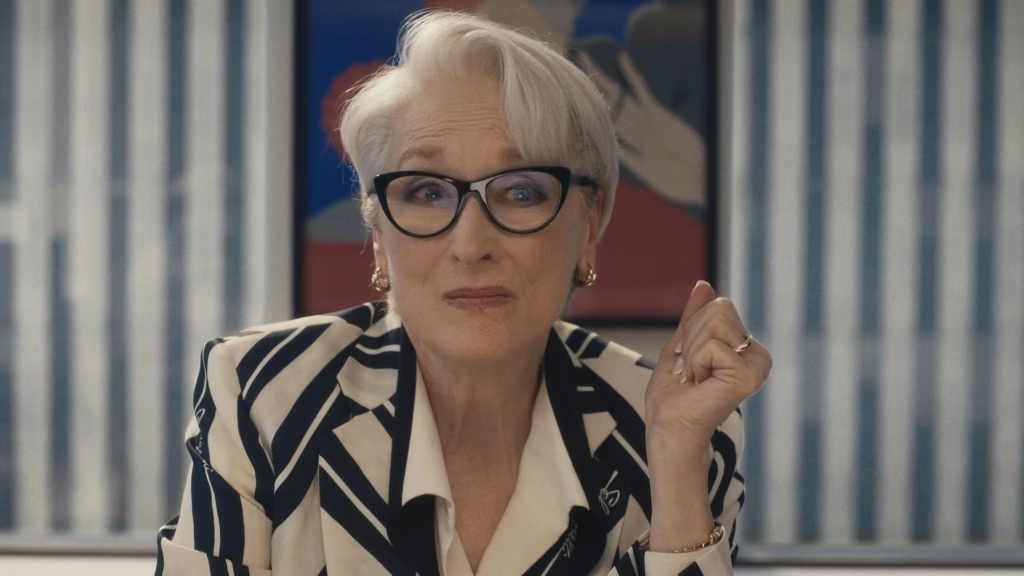
The twenty years that have passed since the first film transform The Devil Wears Prada 2 into something closer to a sociological text observing the professional and cultural burnout of an entire generation than a mere nostalgic sequel. Unlike the first film, where we watched ambitious figures at the beginning of their careers, this time we face mature characters who have seen the summit but lost their sense of direction. The film is less concerned with individual success stories and more with the structural fatigue created by a changing world. Fashion is depicted no longer as a dream factory but as a fragile sector that has become dependent on sponsors just to survive. The transformation of once trend-setting magazines into advertising catalogs clearly demonstrates that it is not only publishing but cultural authority itself that has eroded.
The film examines the virtual death notice of print publishing alongside institutions that are maintained for prestige but no longer have any economic return. As editors who once gave aesthetic direction have become figures silenced so as not to antagonize advertisers, the film deciphers the new morality of the capitalist system. It underscores how visibility has replaced content, and brand value has replaced ideas. The fact that award-winning journalists are pushed out of the system because they don’t produce entertainment contains a sharp critique of how the pursuit of truth is now seen as an economic burden. The inevitable rise of digitalization is presented here not as a technological development but as a movement of cultural purge.
From the Fashion Scene to the Age of the Algorithm
The Devil Wears Prada 2 questions not only the economic but also the ethical transformation of the modern media order. The reflexive lynching mechanisms of woke culture appear before us having mutated into a form of moral performance divorced from research and context.
In this world where even the smallest contact with major brands is enough to destroy a reputation, guilt is defined through the management of perception rather than through real actions. The film’s discussion of the journalism crisis through the lens of cultural consumption habits carries a noteworthy emphasis. While good writing is followed by a few loyal readers, wider audiences turn to magazines solely to be entertained. Intellectual production thus transforms into a niche pursuit that lies outside the scope of mass interest.
The devaluation of art, fashion, and aesthetic production to a degree where it yields no profit stands out as one of the film’s most pessimistic observations. Even the culture of taste, which once served as a tool for elite display, is now measured by the logic of investment — and aesthetic concern has ceased to even function as a window dressing for the wealthy. For this reason, fashion in the film is treated almost like a backdrop that has been pushed to the background. The story focuses on the characters’ struggle for survival in the shadow of their past successes. The world of fashion, which stood at the center of the first film, has here become merely the silent stage of a crumbling empire. While the main characters deceive themselves in their comfort zones, the supporting characters’ efforts to find a place within the system can devolve into a heartbreaking struggle.
Loyalty, Loneliness, and the Mythology of the Mature Woman
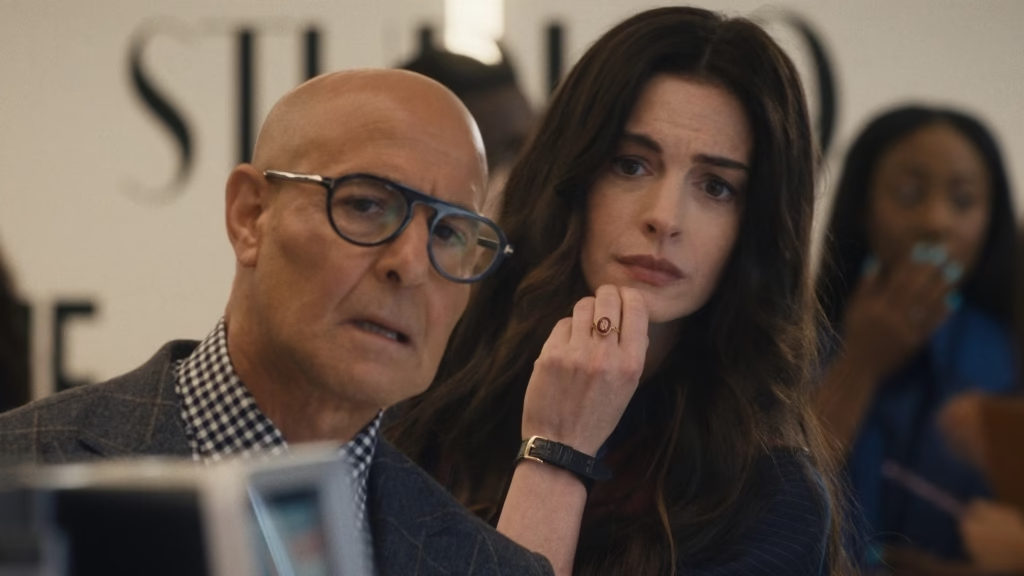
The Devil Wears Prada 2 does not base its narrative solely on a critique of the industry. It prefers to go beyond the industry and also focus on the emotional exhaustion of its characters, who have since become part of popular culture. Almost all of the female characters in the film appear as individuals who have achieved success but lost the ability to connect along the way.
The apex of a career has been transformed here into emotional isolation rather than freedom. The unattainability of idealized relationships treats the loneliness of the modern professional woman not by romanticizing it but by addressing it as a structural outcome. Meanwhile, the sense of dissatisfaction created by motherhood, divorce, and the passing years drives some characters toward an increasingly ambitious and ruthless work ethic. At this point, the film inverts the success narrative to ask: Is staying at the top truly an achievement, or is it an irreversible form of alienation?
In the subplots, a portrait of an industry is drawn in which the concept of loyalty has completely dissolved. The worlds of publishing and fashion have become a power arena where strategic alliances have replaced friendships. The transient nature of popularity condemns the characters to chase after constantly shifting seats of power. The film adopts a narrative that exposes the soullessness of a neoliberal order in which the strong survive. The reality that this world is now governed not by creativity but by visibility algorithms is offered as a subtext.
Generational Conflict and the Tired Face of Capitalism
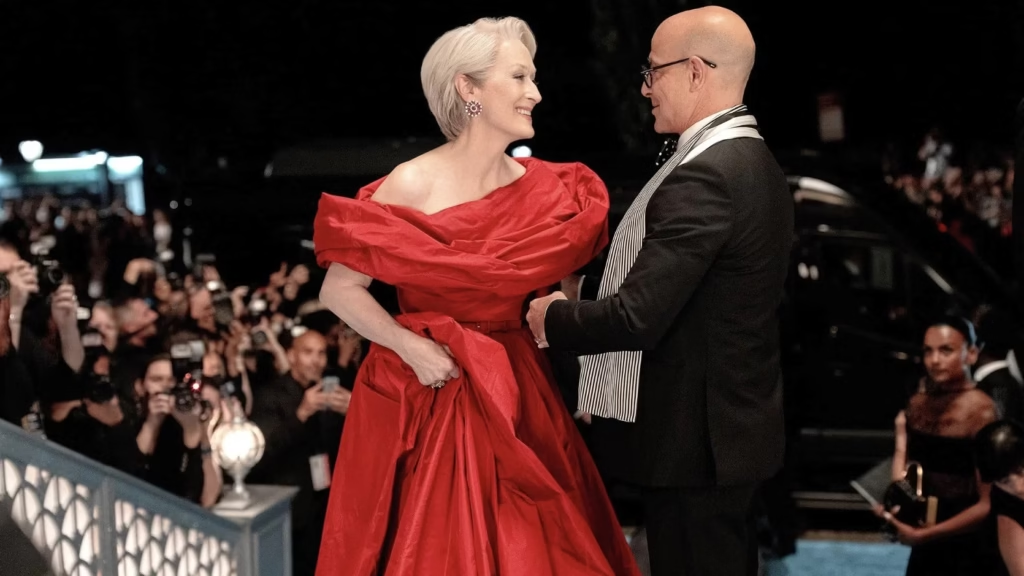
One of the film’s most ironic threads is its sense of humor built around generational conflict. The older generation characters trying to keep pace with the speed of the digital age periodically become parodies of their own legends. The sardonic references aimed at Generation Z, meanwhile, function as an expression of an existential fear of the pace of change. At this point, the film treats aging not as a biological process but as a state of cultural maladjustment.
At the center of all these discussions lies the transformation capitalism has undergone. The system that seemed appealing in the first film with its promise of advancement is here likened to a black hole that absorbs creativity. Success no longer springs from originality but from the ability to conform; being different becomes a risk, and being average becomes a safe harbor. The film thus transcends its own perimeter and transforms into a critique that targets the entirety of contemporary work culture.
In conclusion, The Devil Wears Prada 2 is a darker sequel that moves away from the gleaming facade of its predecessor to examine the exhaustion behind it. Although the film occasionally leans on nostalgia, its true subject is telling the story of people trying to survive in today’s world stripped of aesthetics. And beneath that apparently entertaining surface lies a clear observation: art and fashion may still exist, but their souls have long since been purchased by the system.
From the World of Fashion to the Universe of Brand
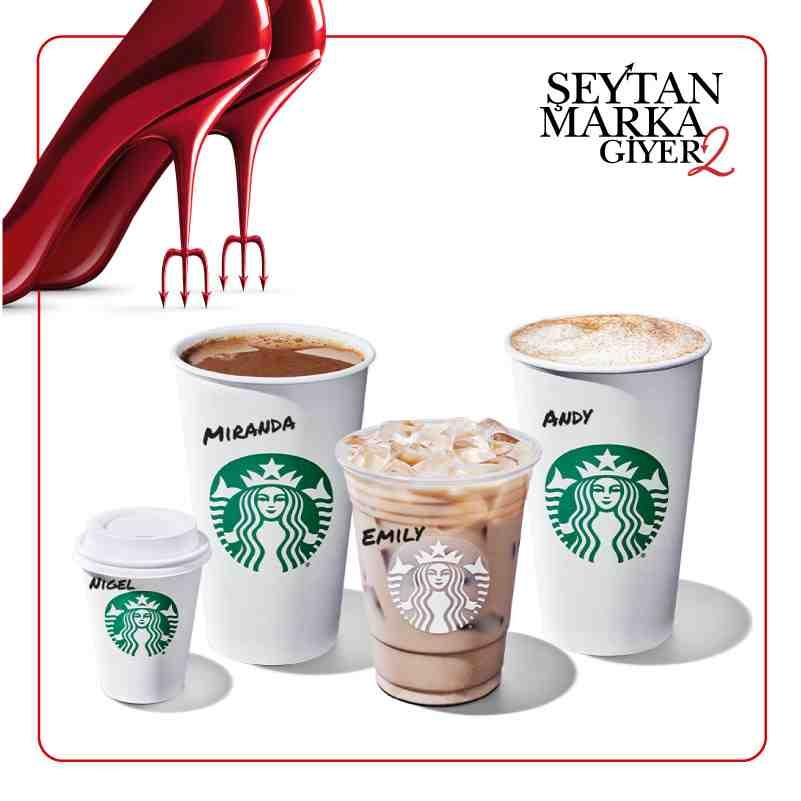
The cultural resonance of the film is not limited to cinema halls; The Devil Wears Prada 2 also becomes one of the concrete examples of how global brand partnerships have turned into a new narrative space. The character-themed beverage series prepared in partnership with Starbucks carries the film’s world into everyday consumption habits, transforming cinema into an experiential marketing space. The characters thus live not only within the story but also reclaim their identities through consumption rituals.
It is even possible to define the characters through these coffees. For instance, Miranda Priestly’s Caffè Latte — extra shot, extra hot, skim milk, no foam — transforms the character’s distant authority into an almost aromatic discipline; it offers a technically impeccable but emotionally cold experience. Nigel Kipling’s Doppio Espresso Con Panna, on the other hand, balances the harshness of espresso with a quickly satisfying creamy texture, reflecting the character’s elegant yet pragmatic nature. Emily Charlton’s Iced Chai Tea Latte with almond milk places British aloofness inside a cool irony while positioning itself as a refreshing companion to the urban tempo of approaching summer. Andy Sachs’s oat milk cappuccino interpretation stands out as the most transformative drink in the series; the light sweetness of caramel and the touch of cinnamon evoke the character’s journey from a naive beginning to an evolving search for a conscious identity.
This collaboration also brings with it the irony of the film becoming part of the very consumer culture it critiques. As the symbolic power of the fashion world is reproduced on coffee cups, the characters evolve from aesthetic icons into marketable experiences. In an age when the boundary between cinema and branding is becoming increasingly blurred, The Devil Wears Prada 2 resembles a living display case showing how the culture industry works. In the end, the audience no longer merely watches the film; they consume it, carry it with them, and incorporate it into their daily lives.
To read more articles by Haktan Kaan İçel, click here.
Follow us on Youtube, X, and Instagram for more.




Yorumlar